- Home
- About us
- Projects
- Yep - Youth Engagement Project
- e- Luminate 2017
- Reclaim the Rec Ditton Fields
- Festival Art Installation
- Pedal Power Barbers
- This Is Arbury- Now
- Kettles Yard
- Cycle Henge
- Romsey Beats
- PedalEmpower
- The Mill Road Mural
- Mobile Eco-Salon
- Travellers Together
- Textile Wall
- Wear It, Love It, Share It
- Waste Couture
- Mash Up Movie
- Take Over Junction
- Newton Q
- Nexus, Cambridge
- Plastic Fantastic
- Comic House- London
- Changing Spaces- Cambridge
- Kids Company- London
- Cambridge- Environment
- London SE5 Scene
- Film - South London Gallery
- Youth Ground
- Youth Ground Gallery
- Beam Project - Gt Yarmouth
- The Reserve Collection
- Double Take - Arts & Business
- SE5 Youth Forum - Splash
- Gallery
- Links
- Contact Form
- Funders
- Equipment Hire
Discover the differences between Clomid and Nolvadex, two popular medications used in the treatment of fertility issues and hormonal imbalances. Learn about their effectiveness, side effects, and which one may be better suited for your specific needs.
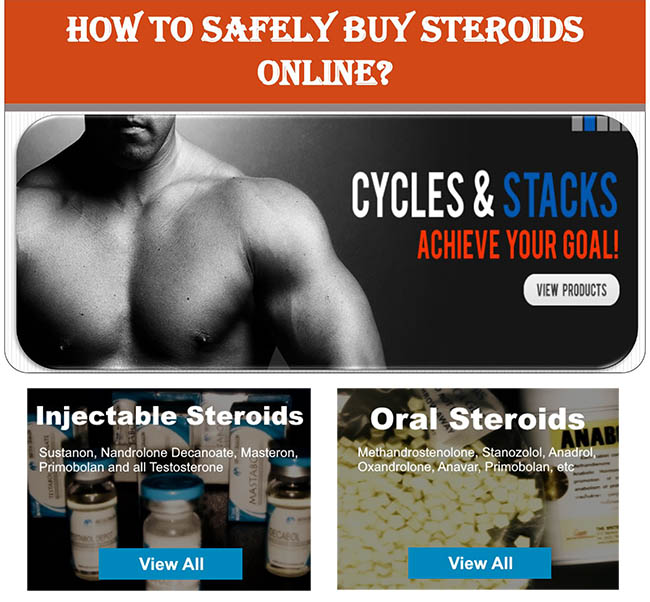
| Payment: | Bitcoin, LiteCoin, Zelle, Credit Cards, Western Union, MoneyGram |
| Delivery: | Express (2-5 days), Fedex, DHL |
| Prescription: | OVER THE COUNTER |
| Where to Buy STEROIDS online? | https://max-steroids.com |
Where to Buy Anabolic Steroids Online:

Clomid vs Nolvadex: Which is the Better Option?
Popular Questions about What’s better clomid or nolvadex:
What is Clomid and Nolvadex?
Clomid and Nolvadex are both medications that are commonly used in the treatment of infertility in women. They belong to a class of drugs known as selective estrogen receptor modulators (SERMs).
What are the main differences between Clomid and Nolvadex?
The main difference between Clomid and Nolvadex is their chemical composition. Clomid contains the active ingredient clomiphene citrate, while Nolvadex contains the active ingredient tamoxifen citrate. Additionally, Clomid is primarily used in the treatment of female infertility, while Nolvadex is often used in the treatment and prevention of breast cancer in both men and women.
Which medication is more effective for treating infertility?
Both Clomid and Nolvadex have been found to be effective in the treatment of infertility, but the choice between the two depends on the specific needs and circumstances of the individual. It is best to consult with a healthcare professional to determine which medication is most appropriate.
Are there any side effects associated with Clomid and Nolvadex?
Yes, both Clomid and Nolvadex can cause side effects. Common side effects of Clomid include hot flashes, mood swings, and breast tenderness. Nolvadex can cause similar side effects, as well as an increased risk of blood clots and uterine cancer. It is important to discuss the potential risks and benefits with a healthcare professional before starting either medication.
Can Clomid and Nolvadex be used together?
There is limited research on the use of Clomid and Nolvadex together, and it is generally not recommended. Both medications work by blocking estrogen receptors in the body, and using them together may decrease their effectiveness. It is best to consult with a healthcare professional before combining these medications.
Can Clomid and Nolvadex be used by men?
Yes, Clomid and Nolvadex can be used by men. In fact, Nolvadex is commonly used in the treatment of male breast cancer. Clomid may also be prescribed to men who have low testosterone levels. However, it is important to note that these medications should only be used under the guidance of a healthcare professional.
How long does it take for Clomid and Nolvadex to work?
The time it takes for Clomid and Nolvadex to work can vary depending on the individual and the specific condition being treated. In general, it may take several weeks to see the full effects of these medications. It is important to follow the prescribed dosage and to be patient while waiting for results.
Are there any alternatives to Clomid and Nolvadex?
Yes, there are alternative medications available for the treatment of infertility and breast cancer. Some common alternatives to Clomid include letrozole and gonadotropins. Alternatives to Nolvadex for breast cancer treatment include aromatase inhibitors such as anastrozole and exemestane. It is important to discuss these options with a healthcare professional to determine the most appropriate treatment.
What are Clomid and Nolvadex?
Clomid and Nolvadex are both medications used in the treatment of infertility in women. They belong to a class of drugs called selective estrogen receptor modulators (SERMs) and work by stimulating the release of hormones that help in the production of eggs. However, Clomid is more commonly prescribed for female infertility, while Nolvadex is primarily used to treat breast cancer in women.
What are the differences between Clomid and Nolvadex?
While both Clomid and Nolvadex are SERMs and have similar mechanisms of action, there are some key differences between the two medications. Clomid is primarily used to stimulate ovulation in women with infertility issues, while Nolvadex is mainly used to treat breast cancer. Additionally, Clomid is taken orally, while Nolvadex can be taken orally or applied topically as a cream or gel. The side effects of Clomid and Nolvadex also differ, with Clomid being associated with a higher risk of multiple pregnancies and Nolvadex being linked to an increased risk of blood clots.
Which medication is more effective for treating infertility?
Both Clomid and Nolvadex have been shown to be effective in treating infertility, but the choice of medication depends on the specific cause of infertility and the individual patient’s needs. Clomid is often the first-line treatment for infertility due to its effectiveness in stimulating ovulation. However, if Clomid is not successful or not well-tolerated, Nolvadex may be considered as an alternative option. It is important to consult with a healthcare provider to determine the most appropriate medication for treating infertility.
What are the potential side effects of Clomid and Nolvadex?
Both Clomid and Nolvadex can cause side effects, although the specific side effects may vary between individuals. Common side effects of Clomid include hot flashes, mood swings, breast tenderness, and nausea. Nolvadex can cause similar side effects, along with an increased risk of blood clots. It is important to discuss any concerns or potential side effects with a healthcare provider before starting either medication.
How to order steroids online?
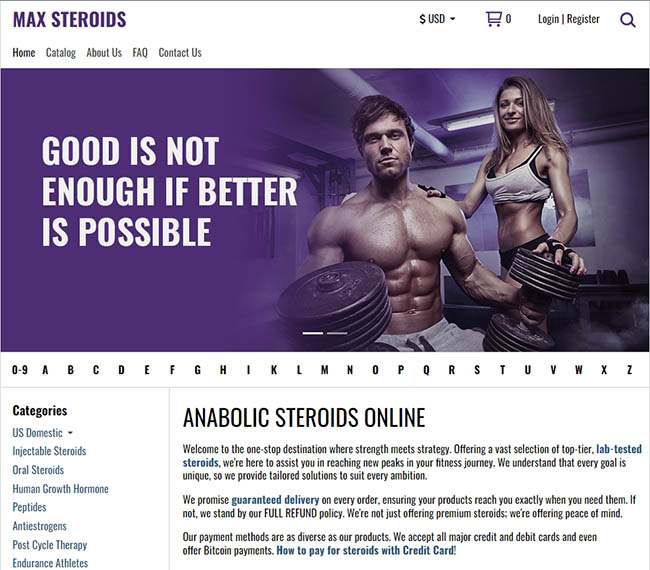
Comparing Clomid and Nolvadex: Which is the Better Option?
When it comes to treating hormonal imbalances and increasing testosterone levels, two popular medications often come to mind: Clomid and Nolvadex. Both of these drugs are commonly used in the bodybuilding and fitness community, as well as in medical settings to treat conditions such as infertility and gynecomastia.
Clomid, also known as clomiphene citrate, is a selective estrogen receptor modulator (SERM) that works by blocking the effects of estrogen in the body. This helps to stimulate the production of luteinizing hormone (LH) and follicle-stimulating hormone (FSH), which in turn can increase testosterone production. Nolvadex, or tamoxifen citrate, is also a SERM that works in a similar way to Clomid, but with some differences in its mechanism of action.
One of the main differences between Clomid and Nolvadex is their use in post-cycle therapy (PCT) after a steroid cycle. PCT is important to help restore the body’s natural testosterone production and prevent estrogen-related side effects. While both drugs can be effective in this regard, some users may prefer one over the other based on their individual needs and preferences.
Clomid is often favored for its ability to stimulate LH and FSH levels more effectively, which can lead to a faster recovery of natural testosterone production. On the other hand, Nolvadex is known for its anti-estrogenic properties and may be preferred by those who are more prone to estrogen-related side effects, such as water retention and gynecomastia.
Ultimately, the choice between Clomid and Nolvadex will depend on the individual and their specific goals. It is important to consult with a healthcare professional or experienced bodybuilder before starting any medication, as they can provide guidance and help determine the best option for you.
Understanding Clomid and Nolvadex
Clomid and Nolvadex are both medications that are commonly used in the field of fertility and hormone therapy. They belong to a class of drugs known as selective estrogen receptor modulators (SERMs), which means they work by blocking the effects of estrogen in certain tissues while allowing it to act in others.
Clomid
Clomid, also known by its generic name clomiphene citrate, is primarily used to induce ovulation in women who have trouble conceiving. It works by stimulating the release of hormones that are necessary for the growth and release of mature eggs from the ovaries. Clomid is typically taken orally in tablet form and is usually prescribed for a specific duration, usually ranging from 5 to 10 days.
Clomid is commonly prescribed for women with polycystic ovary syndrome (PCOS) or other ovulation disorders. It can also be used in combination with other fertility treatments, such as intrauterine insemination (IUI) or in vitro fertilization (IVF).
Nolvadex
Nolvadex, also known by its generic name tamoxifen citrate, is primarily used in the treatment of breast cancer. It works by blocking the effects of estrogen in breast tissue, thereby preventing the growth and spread of cancer cells. Nolvadex is typically taken orally in tablet form and is usually prescribed for a specific duration, depending on the individual’s condition and response to treatment.
In addition to its use in breast cancer treatment, Nolvadex is also sometimes prescribed to prevent breast cancer in high-risk individuals, such as those with a family history of the disease. It may also be used in the treatment of other hormone-sensitive cancers, such as endometrial cancer.
Comparison
While both Clomid and Nolvadex are SERMs and have similar mechanisms of action, there are some key differences between the two medications. Clomid is primarily used in fertility treatment and works by stimulating ovulation, while Nolvadex is primarily used in the treatment of breast cancer and works by blocking estrogen in breast tissue.
Additionally, Clomid is typically taken for a specific duration, while Nolvadex may be taken for longer periods of time, depending on the individual’s condition. The dosage and duration of treatment may vary depending on the specific needs of the patient and should be determined by a healthcare professional.
| Primary Use | Inducing ovulation in women | Treatment of breast cancer |
| Administration | Orally in tablet form | Orally in tablet form |
| Treatment Duration | Usually 5-10 days | Varies depending on the individual’s condition |
It is important to note that both Clomid and Nolvadex can have side effects and should only be used under the guidance of a healthcare professional. They may interact with other medications and should not be taken without proper medical supervision.
In conclusion, Clomid and Nolvadex are both important medications in their respective fields. Clomid is primarily used in fertility treatment to induce ovulation, while Nolvadex is primarily used in the treatment of breast cancer. The choice between the two medications depends on the specific needs and conditions of the individual, and should be determined by a healthcare professional.
How Do Clomid and Nolvadex Work?
Clomid and Nolvadex are both selective estrogen receptor modulators (SERMs) that are commonly used in the field of reproductive medicine. They work by binding to estrogen receptors in the body and blocking the effects of estrogen.
Clomid
Clomid, also known as clomiphene citrate, is primarily used to stimulate ovulation in women who are struggling with infertility. It works by blocking the estrogen receptors in the hypothalamus, a part of the brain that is responsible for regulating the release of hormones that control the menstrual cycle.
When estrogen receptors in the hypothalamus are blocked, the brain mistakenly perceives low estrogen levels in the body. In response, it releases more follicle-stimulating hormone (FSH) and luteinizing hormone (LH), which are essential for the development and release of eggs from the ovaries.
By increasing the levels of FSH and LH, Clomid helps to stimulate the growth and maturation of ovarian follicles, leading to the release of eggs and increasing the chances of pregnancy.
Nolvadex
Nolvadex, also known as tamoxifen citrate, is commonly used in the treatment of breast cancer. It works by blocking the estrogen receptors in breast cancer cells, preventing estrogen from binding to these receptors and stimulating cancer cell growth.
In addition to its anti-cancer properties, Nolvadex is also used in the field of reproductive medicine. It can be used to treat infertility in women with anovulatory disorders, similar to Clomid. However, Nolvadex works in a slightly different way.
Instead of blocking estrogen receptors in the hypothalamus like Clomid, Nolvadex primarily acts as an estrogen antagonist in the ovaries. By binding to estrogen receptors in the ovaries, Nolvadex prevents estrogen from stimulating the growth of ovarian follicles. This helps to regulate the release of hormones that control the menstrual cycle and promote ovulation.
Comparison
While both Clomid and Nolvadex are used to stimulate ovulation, they have different mechanisms of action. Clomid acts on the hypothalamus, while Nolvadex acts on the ovaries. Additionally, Clomid is primarily used in women, while Nolvadex has a broader range of applications, including the treatment of breast cancer.
It is important to note that the use of Clomid and Nolvadex should be done under the guidance of a healthcare professional, as they can have side effects and interactions with other medications. The appropriate choice between Clomid and Nolvadex will depend on the specific medical condition and individual needs of the patient.
Effectiveness of Clomid and Nolvadex
When it comes to the effectiveness of Clomid and Nolvadex, both medications have been widely used in the treatment of infertility and as anti-estrogens in the bodybuilding community. However, they have different mechanisms of action and are used for different purposes.
Clomid
Clomid, also known as clomiphene citrate, is a selective estrogen receptor modulator (SERM). It works by blocking estrogen receptors in the hypothalamus, which stimulates the release of follicle-stimulating hormone (FSH) and luteinizing hormone (LH). This leads to an increase in testosterone production, which can be beneficial for individuals with low testosterone levels or those looking to boost their testosterone levels for muscle growth.
Clomid is commonly used in post-cycle therapy (PCT) by bodybuilders who have used anabolic steroids. It helps to restore natural testosterone production by stimulating the release of FSH and LH, which can be suppressed during steroid use. This can prevent or minimize the side effects associated with low testosterone levels, such as muscle loss, fatigue, and decreased libido.
Nolvadex
Nolvadex, also known as tamoxifen citrate, is another SERM that is commonly used in the treatment and prevention of breast cancer. It works by blocking estrogen receptors in breast tissue, preventing the growth and spread of estrogen-sensitive tumors.
In the bodybuilding community, Nolvadex is often used as an anti-estrogen during steroid cycles to prevent or reduce the occurrence of estrogen-related side effects, such as gynecomastia (enlarged breast tissue in males). It does this by competing with estrogen for binding sites in breast tissue, effectively blocking the estrogen from exerting its effects.
Comparison of Effectiveness
Both Clomid and Nolvadex have been shown to be effective in their respective uses. However, there are some differences in their effectiveness and potential side effects.
- Clomid has been found to be more effective in stimulating testosterone production compared to Nolvadex. It has a stronger impact on the hypothalamus and pituitary gland, leading to a greater increase in testosterone levels.
- Nolvadex is generally considered to be more effective in preventing gynecomastia compared to Clomid. It has a higher affinity for estrogen receptors in breast tissue, making it more effective at blocking the estrogen-induced growth of breast tissue.
- Both medications can have side effects, such as hot flashes, mood swings, and visual disturbances. However, Clomid has been associated with a higher incidence of these side effects compared to Nolvadex.
In conclusion, Clomid and Nolvadex are both effective medications with different mechanisms of action. Clomid is more effective in stimulating testosterone production, while Nolvadex is more effective in preventing gynecomastia. The choice between the two medications depends on the specific goals and needs of the individual.
Potential Side Effects of Clomid and Nolvadex
1. Clomid Side Effects
Clomid, also known as clomiphene citrate, is a selective estrogen receptor modulator (SERM) commonly used in the treatment of infertility. While Clomid is generally well-tolerated, it can have some potential side effects:
- Hot flashes: Many women experience hot flashes while taking Clomid. These sudden feelings of warmth and flushing can be uncomfortable but are usually temporary.
- Abdominal discomfort: Some women may experience abdominal bloating or discomfort while taking Clomid.
- Nausea: Nausea is a potential side effect of Clomid, although it is usually mild and temporary.
- Headaches: Headaches are another possible side effect of Clomid. If you experience severe or persistent headaches, it is important to consult your healthcare provider.
- Mood swings: Some women may experience mood swings or changes in mood while taking Clomid.
- Visual disturbances: In rare cases, Clomid can cause visual disturbances such as blurred vision or spots in the field of vision. If you experience any changes in your vision, it is important to seek medical attention immediately.
2. Nolvadex Side Effects
Nolvadex, also known as tamoxifen citrate, is another SERM commonly used in the treatment and prevention of breast cancer. Like Clomid, Nolvadex can have potential side effects:
- Hot flashes: Similar to Clomid, Nolvadex can cause hot flashes in women.
- Menstrual changes: Nolvadex can cause changes in menstrual periods, including irregular periods or cessation of periods.
- Vaginal dryness: Some women may experience vaginal dryness while taking Nolvadex.
- Nausea and vomiting: Nausea and vomiting are potential side effects of Nolvadex, although they are usually mild and temporary.
- Headaches: Headaches can occur while taking Nolvadex.
- Mood changes: Nolvadex can cause mood changes, including depression or anxiety.
- Increased risk of blood clots: Nolvadex may increase the risk of developing blood clots, which can be a serious side effect. It is important to be aware of any signs of a blood clot, such as swelling, pain, or redness in the legs.
It is important to note that these lists of potential side effects are not exhaustive, and individual experiences may vary. If you are considering taking Clomid or Nolvadex, it is important to discuss the potential risks and benefits with your healthcare provider.
Choosing Between Clomid and Nolvadex
When it comes to choosing between Clomid and Nolvadex, there are several factors to consider. Both medications are commonly used in the bodybuilding and athletic community for post-cycle therapy (PCT) to help restore natural testosterone production and prevent estrogen-related side effects. However, they have some differences that may make one a better option for you than the other.
1. Mechanism of Action
Clomid, also known as clomiphene citrate, is a selective estrogen receptor modulator (SERM) that works by blocking estrogen receptors in the hypothalamus. This leads to an increase in follicle-stimulating hormone (FSH) and luteinizing hormone (LH), which in turn stimulates the production of testosterone.
Nolvadex, also known as tamoxifen citrate, is also a SERM but works slightly differently. It binds to estrogen receptors in certain tissues, such as breast tissue, preventing estrogen from binding to these receptors. This can help prevent the growth of estrogen-responsive tumors.
2. Side Effects
Both Clomid and Nolvadex can cause similar side effects, including hot flashes, mood swings, and headaches. However, Clomid has been associated with a higher incidence of visual disturbances, such as blurred vision or seeing spots. If you have a history of visual problems, Nolvadex may be a safer option for you.
3. Dosage and Administration
Clomid is typically taken in oral tablet form, with a typical dosage ranging from 50 to 150 mg per day for PCT. Nolvadex is also taken orally, with a typical dosage ranging from 20 to 40 mg per day. The duration of PCT can vary, but it is generally recommended to use these medications for 4 to 6 weeks.
4. Availability and Cost
Both Clomid and Nolvadex are prescription medications and can be obtained through a healthcare provider or online pharmacy. However, the availability and cost may vary depending on your location. It is important to consult with a healthcare professional to ensure you are obtaining these medications from a reputable source.
5. Personal Preference
Ultimately, the choice between Clomid and Nolvadex may come down to personal preference. Some individuals may respond better to one medication than the other, or may experience different side effects. It is important to listen to your body and work closely with a healthcare professional to determine the best option for your specific needs.
In conclusion, both Clomid and Nolvadex are effective options for post-cycle therapy. The choice between the two depends on factors such as mechanism of action, side effects, dosage and administration, availability, cost, and personal preference. Consulting with a healthcare professional is essential to make an informed decision and ensure the safe and effective use of these medications.
Clomid vs Nolvadex: Similarities and Differences
Clomid and Nolvadex are both medications that are commonly used in the field of fertility treatment and hormone replacement therapy. While they share some similarities, there are also key differences between the two drugs.
Similarities:
- Indications: Both Clomid and Nolvadex are used to treat infertility in women by stimulating ovulation. They are also used in men to increase testosterone production.
- Mechanism of Action: Both drugs work by blocking estrogen receptors in the body. This prevents estrogen from binding to its receptors and allows for an increase in the production of follicle-stimulating hormone (FSH) and luteinizing hormone (LH).
- Side Effects: Both medications may cause similar side effects, including hot flashes, mood swings, nausea, and headaches.
Differences:
| Clomid is a selective estrogen receptor modulator (SERM) that is primarily used in women for the treatment of infertility. | Nolvadex is also a SERM but is primarily used in the treatment of breast cancer in both men and women. |
| Clomid is taken orally. | Nolvadex can be taken orally or applied topically as a gel. |
| Clomid has a shorter half-life and is typically taken for 5 days at the beginning of a woman’s menstrual cycle. | Nolvadex has a longer half-life and is usually taken for a longer duration. |
| Clomid may have a higher risk of multiple pregnancies. | Nolvadex does not have the same risk of multiple pregnancies. |
Overall, while Clomid and Nolvadex have some similarities in their mechanisms of action and side effects, they are primarily used for different purposes. Clomid is mainly used in women for infertility treatment, while Nolvadex is primarily used in the treatment of breast cancer. It is important to consult with a healthcare professional to determine which medication is most appropriate for an individual’s specific needs.
Clomid or Nolvadex for PCT?
When it comes to post-cycle therapy (PCT) after a steroid cycle, two popular options are Clomid and Nolvadex. Both medications are used to help restore natural testosterone production and prevent estrogen-related side effects. However, there are some differences between the two that may make one a better choice for certain individuals.
Clomid
Clomid, also known as clomiphene citrate, is a selective estrogen receptor modulator (SERM). It works by blocking estrogen receptors in the hypothalamus, which stimulates the release of follicle-stimulating hormone (FSH) and luteinizing hormone (LH). This leads to an increase in testosterone production.
Clomid is typically used for PCT in bodybuilding and steroid cycles due to its ability to restore natural testosterone levels. It is taken orally and is available in tablet form. The recommended dosage for Clomid is typically 50mg per day for a period of 4-6 weeks.
Nolvadex
Nolvadex, also known as tamoxifen citrate, is another SERM commonly used for PCT. Like Clomid, it works by blocking estrogen receptors, but it also has the ability to act as an estrogen receptor agonist in certain tissues. This can be beneficial for individuals who are prone to estrogen-related side effects such as gynecomastia.
Nolvadex is also taken orally and is available in tablet form. The recommended dosage for Nolvadex is typically 20-40mg per day for a period of 4-6 weeks.
Which is the Better Option?
There is no definitive answer to which medication is the better option for PCT, as it ultimately depends on the individual and their specific needs. Some individuals may respond better to Clomid, while others may prefer Nolvadex.
It is important to note that both medications can have side effects, and it is recommended to consult with a healthcare professional before starting any PCT regimen. They can help determine the appropriate dosage and duration based on your individual circumstances.
| Clomid | Blocks estrogen receptors, stimulates release of FSH and LH | 50mg per day for 4-6 weeks | Hot flashes, mood swings, visual disturbances |
| Nolvadex | Blocks estrogen receptors, acts as an estrogen receptor agonist in certain tissues | 20-40mg per day for 4-6 weeks | Hot flashes, mood swings, increased risk of blood clots |
In conclusion, both Clomid and Nolvadex are commonly used for PCT after a steroid cycle. The choice between the two depends on individual preferences and needs. It is important to consult with a healthcare professional to determine the most suitable option and dosage for your specific situation.
Clomid or Nolvadex for Infertility?
When it comes to treating infertility, both Clomid and Nolvadex are commonly used medications. They belong to a class of drugs known as selective estrogen receptor modulators (SERMs) and are often prescribed to women who are having trouble conceiving.
Clomid
Clomid, also known as clomiphene citrate, is a medication that stimulates the release of hormones necessary for ovulation. It works by blocking estrogen receptors in the hypothalamus, which leads to an increase in follicle-stimulating hormone (FSH) and luteinizing hormone (LH) levels. This helps to stimulate the ovaries and promote the release of mature eggs.
Clomid is typically taken orally for five days, starting on the fifth day of the menstrual cycle. It is often the first-line treatment for infertility in women with ovulation problems. However, it may not be suitable for women with certain medical conditions, such as liver disease or ovarian cysts.
Nolvadex
Nolvadex, also known as tamoxifen citrate, is another SERM that is sometimes used to treat infertility. While it is primarily used to treat breast cancer, it can also be prescribed off-label for infertility treatment. Nolvadex works by blocking estrogen receptors in the breast tissue, which can help to prevent the growth of certain types of breast cancer cells.
Like Clomid, Nolvadex can help to stimulate ovulation by increasing FSH and LH levels. However, it is not as commonly prescribed for infertility as Clomid, and its use in this context is still being studied.
Which is the Better Option?
When it comes to choosing between Clomid and Nolvadex for infertility treatment, there is no definitive answer. The choice will depend on various factors, including the underlying cause of infertility, the woman’s medical history, and the doctor’s recommendation.
In general, Clomid is often the first-line treatment for infertility due to its well-established efficacy and safety profile. It has been used for many years and has a high success rate in stimulating ovulation. However, in some cases, Nolvadex may be a suitable alternative, especially if Clomid has not been effective or is contraindicated.
It is important for women experiencing infertility to work closely with their healthcare provider to determine the most appropriate treatment option. Both Clomid and Nolvadex can be effective in promoting ovulation and increasing the chances of pregnancy, but individual circumstances may dictate which medication is the better choice.
Clomid or Nolvadex for Gynecomastia?
Gynecomastia, the development of breast tissue in males, can be a distressing condition. It can occur due to hormonal imbalances, use of certain medications, or as a side effect of anabolic steroid use. Both Clomid and Nolvadex are commonly used medications to treat gynecomastia, but which one is the better option?
Clomid
- Clomid, also known as clomiphene citrate, is a selective estrogen receptor modulator (SERM).
- It works by blocking estrogen receptors in the body, preventing the estrogen hormone from binding to these receptors.
- This helps to reduce the amount of estrogen available in the body, which can help to decrease the size of breast tissue in males.
- Clomid is typically taken orally in tablet form, and the recommended dosage varies depending on the individual and the severity of the gynecomastia.
- Common side effects of Clomid include hot flashes, mood swings, and headaches.
Nolvadex
- Nolvadex, also known as tamoxifen citrate, is another selective estrogen receptor modulator (SERM).
- It works similarly to Clomid by blocking estrogen receptors in the body.
- Nolvadex is often used in the treatment of breast cancer in women, but it can also be effective in reducing breast tissue in males with gynecomastia.
- It is typically taken orally in tablet form, and the dosage will depend on the individual and the severity of the gynecomastia.
- Common side effects of Nolvadex include hot flashes, nausea, and fatigue.
Which is the Better Option?
Both Clomid and Nolvadex have been shown to be effective in reducing breast tissue in males with gynecomastia. The choice between the two medications may depend on individual preferences and tolerability of side effects.
Some individuals may find that one medication works better for them than the other, while others may experience fewer side effects with one medication over the other.
It is important to consult with a healthcare professional to determine the most appropriate medication and dosage for treating gynecomastia. They will be able to assess your individual situation and provide personalized recommendations.
| Clomid | May be more affordable | May have more side effects |
| Nolvadex | May have fewer side effects | May be more expensive |
Ultimately, the choice between Clomid and Nolvadex for gynecomastia treatment should be made in consultation with a healthcare professional, taking into consideration individual factors and preferences.
Clomid or Nolvadex for Bodybuilding?
When it comes to bodybuilding, both Clomid and Nolvadex are commonly used as post-cycle therapy (PCT) drugs. They are both selective estrogen receptor modulators (SERMs) and are often used to prevent or treat the negative effects of anabolic steroid use.
Clomid
Clomid, also known as clomiphene citrate, is a medication primarily used to treat infertility in women. However, it is also used by bodybuilders to restore natural testosterone production after a steroid cycle. Clomid works by blocking estrogen receptors in the hypothalamus, which stimulates the release of follicle-stimulating hormone (FSH) and luteinizing hormone (LH). This leads to an increase in testosterone production.
Nolvadex
Nolvadex, also known as tamoxifen citrate, is another SERM commonly used in bodybuilding. It is primarily used to treat breast cancer in women, but it also has anti-estrogenic effects that make it useful for bodybuilders. Nolvadex works by binding to estrogen receptors in tissues, preventing estrogen from exerting its effects. This can help prevent gynecomastia (enlargement of breast tissue) and other estrogen-related side effects.
Which is better for bodybuilding?
Both Clomid and Nolvadex have their own advantages and disadvantages when it comes to bodybuilding. Some bodybuilders prefer Clomid because it has a shorter half-life and is quickly eliminated from the body. This can be beneficial if you experience side effects or want to start a new cycle sooner. On the other hand, Nolvadex has a longer half-life and can be taken less frequently, which some bodybuilders find more convenient.
In terms of effectiveness, both Clomid and Nolvadex have been shown to effectively stimulate testosterone production and prevent estrogen-related side effects. However, individual responses may vary, and some bodybuilders may find one drug more effective than the other.
Conclusion
When it comes to choosing between Clomid and Nolvadex for bodybuilding, it ultimately comes down to personal preference. Some bodybuilders may prefer Clomid for its shorter half-life and faster elimination from the body, while others may prefer Nolvadex for its longer half-life and convenience of less frequent dosing. Both drugs have been shown to be effective in stimulating testosterone production and preventing estrogen-related side effects. It is important to consult with a healthcare professional before starting any PCT regimen to determine the best option for your individual needs.
Clomid or Nolvadex: Which is Safer?
When it comes to choosing between Clomid and Nolvadex, one important factor to consider is safety. Both medications are commonly used in the treatment of infertility and are also popular among bodybuilders and athletes for their ability to mitigate the side effects of anabolic steroids. While both drugs have similar mechanisms of action, there are some differences in their safety profiles.
Clomid Safety
Clomid, also known as clomiphene citrate, is an oral medication that works by stimulating the release of hormones necessary for ovulation in women. In men, it can increase the production of testosterone. Clomid is generally considered safe when used as directed, but like any medication, it can have side effects. Common side effects of Clomid include hot flashes, breast tenderness, mood swings, and headaches. In rare cases, more serious side effects such as ovarian hyperstimulation syndrome (OHSS) and visual disturbances can occur.
It is important to note that Clomid should not be used by individuals with liver disease, abnormal vaginal bleeding, or ovarian cysts. Additionally, Clomid may increase the risk of multiple pregnancies, so careful monitoring is necessary when using this medication.
Nolvadex Safety
Nolvadex, also known as tamoxifen citrate, is another medication commonly used in the treatment of infertility and as an anti-estrogen during steroid cycles. Like Clomid, Nolvadex is generally considered safe when used as directed. However, it also has potential side effects. Common side effects of Nolvadex include hot flashes, vaginal dryness, nausea, and mood swings. More serious side effects such as blood clots, stroke, and endometrial cancer are rare but possible.
Similar to Clomid, Nolvadex should not be used by individuals with liver disease or a history of blood clots. Regular check-ups and monitoring are recommended when using Nolvadex to ensure safety.
Conclusion
Both Clomid and Nolvadex have been used safely and effectively for their intended purposes. However, it is important to consult with a healthcare professional before starting any medication to determine the best option for your specific needs. They can evaluate your medical history and provide guidance on the most appropriate choice, taking into consideration potential risks and benefits. Remember, safety should always be a top priority when using any medication.